
Contributing writer at Dade Schools.
- In This Guide
- What Exactly is a Gnat? (And Is It a Fruit Fly?)
- Why Do I Suddenly Have Gnats in My Miami Home?
- My Go-To DIY Gnat Trap That Works in 24 Hours
- Here’s what you need:
- Steps:
- Beyond the Vinegar Trap: Other Ways to Eliminate Gnats
- For Fungus Gnats in House Plants
- For Drain Flies in Your Sinks
- Beyond DIY: Modern Gnat Control Tools
- The Common Mistake That Makes a Gnat Problem Worse
- How to Keep Gnats From Coming Back for Good
- Frequently Asked Questions About Gnats
It starts with one. A tiny, black speck zig-zagging in front of your screen while you try to check your child’s grades. Then you see another by the fruit bowl. Before you know it, a whole cloud of them has invaded your kitchen. If you’re dealing with a gnat problem as of April 2026, you’re not alone, especially here in humid South Florida.
A gnat is a common name for several species of small, winged insects. The most common ones you’ll find indoors are fruit flies, fungus gnats, and drain flies. They are attracted to moisture and decaying organic material, making kitchens, bathrooms, and house plants prime real estate. The good news is that you can get rid of them with a little persistence and the right strategy.
In This Guide
- What Exactly is a Gnat? (And Is It a Fruit Fly?)
- Why Do I Suddenly Have Gnats in My Miami Home?
- My Go-To DIY Gnat Trap That Works in 24 Hours
- Beyond the Vinegar Trap: Other Ways to Eliminate Gnats
- Beyond DIY: Modern Gnat Control Tools
- The Common Mistake That Makes a Gnat Problem Worse
- How to Keep Gnats From Coming Back for Good
- Frequently Asked Questions About Gnats
What Exactly is a Gnat? (And Is It a Fruit Fly?)
Before you can fight the enemy, you need to know who you’re dealing with. The term “gnat” is pretty broad, but in our homes, it usually refers to one of three culprits. Identifying them helps you target their specific breeding ground.
- Fruit Flies: These are the most common invaders. They have tan or brownish bodies and often have red eyes. You’ll find them hovering around your fruit bowl (especially overripe bananas), trash cans, and recycling bins. They are attracted to fermenting sugars.
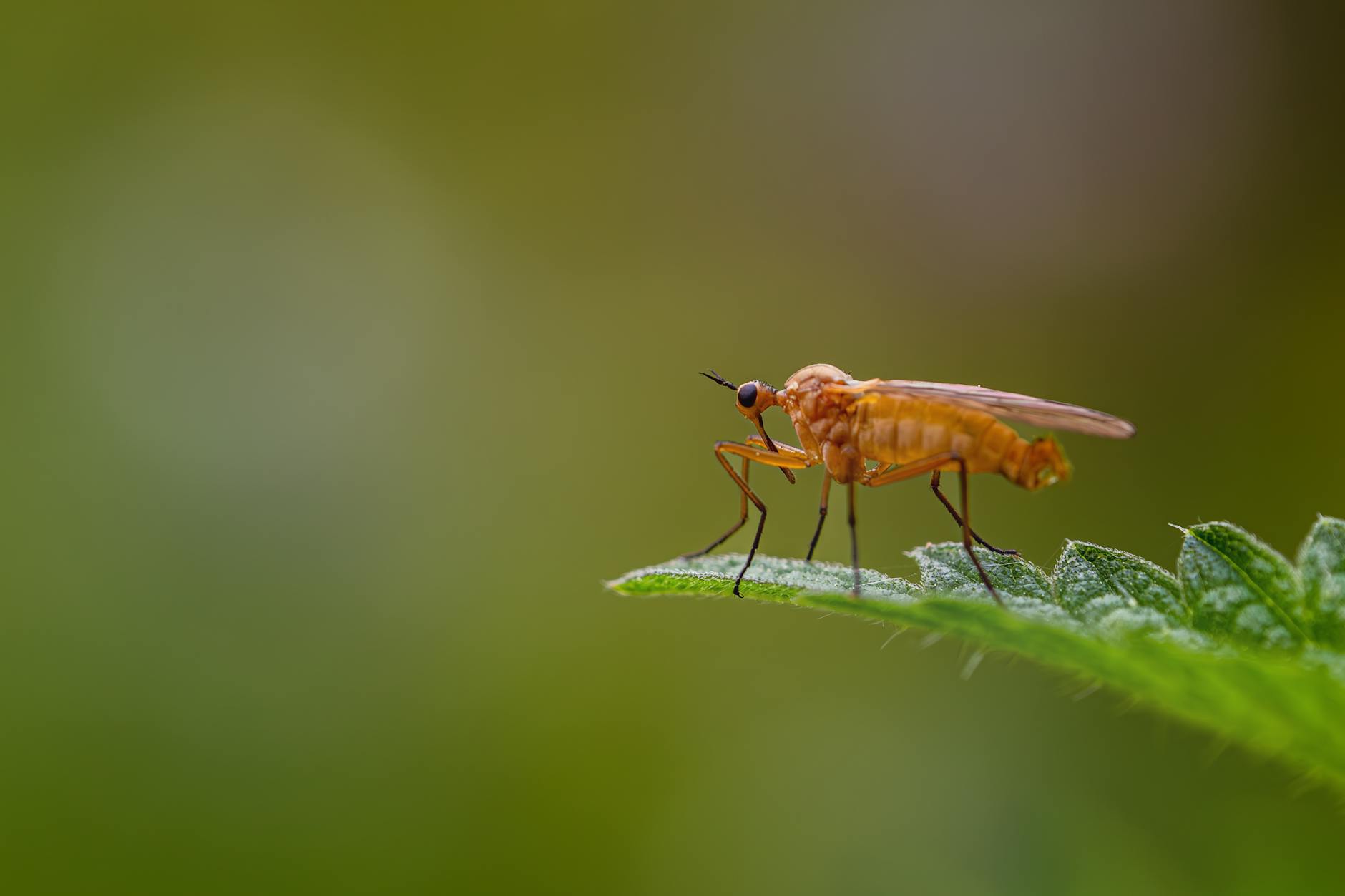
- Fungus Gnats: These look more like tiny mosquitoes, with dark bodies and long legs. If you have house plants, this is likely your pest. They live and breed in moist potting soil, where their larvae feed on fungi and plant roots. You’ll see them flying around your plants, windows, and lamps.
- Drain Flies: Also called moth flies, they have fuzzy, dark bodies and wings that give them a moth-like appearance. As their name suggests, they breed in the organic sludge that builds up inside drains, garbage disposals, and pipes. You’ll spot them in bathrooms and kitchens, often resting on walls near sinks.
Why Do I Suddenly Have Gnats in My Miami Home?
Miami’s warm, humid climate is a paradise for pests, and gnats are no exception. A sudden infestation almost always points to a new breeding ground in your home. Understanding the cause is the first step to a solution.
The primary attractant is moisture and decaying organic matter. Think about what’s changed recently. Did you bring home a new fiddle-leaf fig? You might have fungus gnats. Did you forget to take out the recycling before a long weekend? Hello, fruit flies. A slow drain in the guest bathroom? That’s a welcome mat for drain flies.
According to current guidance from the University of Florida’s Institute of Food and Agricultural Sciences, a single fruit fly can lay up to 500 eggs in its short lifespan. The entire life cycle from egg to adult can complete in just over a week under ideal warm conditions. This rapid life cycle is why a small problem can explode into a full-blown infestation seemingly overnight.
My Go-To DIY Gnat Trap That Works in 24 Hours
Over the years, I’ve tried all sorts of store-bought solutions, but I always come back to this simple, effective, and kid-safe DIY gnat trap. It primarily targets fruit flies, but I’ve caught a few fungus gnats in it too. I made one just last week after my son left a banana peel in his room, and by the next morning, it had caught over a dozen of them.
Here’s what you need:
- A small jar or bowl
- Apple cider vinegar (the unfiltered kind works best)
- A few drops of dish soap
- Plastic wrap
- A toothpick
Steps:
Enjoying this article?
Weekly school guides delivered free.
- Pour about an inch of apple cider vinegar into the jar. The smell of fermented fruit is irresistible to them.
- Add 2-3 drops of dish soap. This is the secret ingredient. The soap breaks the surface tension of the vinegar, so when the gnats land for a drink, they sink and drown.
- Cover the jar tightly with plastic wrap. Use the toothpick to poke several small holes in the plastic. This lets the gnats in but makes it difficult for them to find their way out.
- Place the trap right next to the problem area—the fruit bowl, the trash can, or near the sink. Leave it overnight. You’ll be amazed at the results in the morning.
Beyond the Vinegar Trap: Other Ways to Eliminate Gnats
While the vinegar trap is great for adult fruit flies, a complete strategy requires tackling all types of gnats and their breeding grounds.
For Fungus Gnats in House Plants
The key here is the soil. First, let the top one to two inches of your potting soil dry out completely between waterings. This kills the larvae. For a more active infestation, yellow sticky traps placed in the pots are excellent for catching flying adults. For a heavy-duty solution, consider a soil drench with a product containing Bti (Bacillus thuringiensis israelensis), a naturally occurring bacterium that is toxic to gnat larvae but safe for plants, people, and pets.
For Drain Flies in Your Sinks
You have to clean the pipes. Pouring a cup of boiling water down the drain can help loosen the gunk. For a more thorough cleaning, mix a half-cup of salt, a half-cup of baking soda, and one cup of white vinegar. Pour it down the drain, let it foam for a few hours (or overnight), and then flush with boiling water. This eliminates the sludge they breed in. Do this weekly until the problem is gone.
Beyond DIY: Modern Gnat Control Tools
For busy parents, sometimes a set-it-and-forget-it solution is best. In recent years, plug-in UV light traps have become very popular and affordable. These devices use a gentle blue UV light to attract gnats, mosquitoes, and other flying insects. A small, quiet fan then sucks them inside, where they get stuck on a non-toxic sticky pad.
These traps are great for catching the adult gnats flying around your kitchen or near your plants. They are chemical-free and safe to use around children and pets. Just remember, while effective at reducing the adult population, they don’t address the breeding source. You’ll still need to manage your plant soil and drains to stop the problem for good.
The Common Mistake That Makes a Gnat Problem Worse
The single biggest mistake I see people make is focusing only on the adult gnats they can see flying around. Spraying the air or setting one trap might feel productive, but it’s a temporary fix. You’re only dealing with the last stage of the gnat life cycle. The eggs and larvae, hidden away in your plant soil, sink drain, or forgotten produce, will simply produce a new wave of adults in a few days.
To truly solve the problem, you must be a detective and find the source. You have to disrupt the entire breeding cycle by eliminating their food and moisture source. Clean the drain, repot the plant, or get rid of the overripe fruit. Attacking the source is the only way to stop the infestation permanently.
How to Keep Gnats From Coming Back for Good
Once you’ve won the battle, you need a strategy to keep them from returning. Prevention is all about maintenance and removing their favorite things.
- Manage Produce: Store ripe fruit and vegetables in the refrigerator instead of on the counter. Check potatoes and onions for any rotting spots.
- Trash & Recycling: Take out the trash and recycling daily, especially bins containing food waste. Make sure the lids are tight.
- Clean Drains: Once a week, flush your kitchen and bathroom drains with boiling water or the baking soda and vinegar mixture to prevent sludge buildup.
- Water Plants Wisely: Avoid overwatering your houseplants. Let the top layer of soil dry out completely before watering again.
- Wipe Up Spills: Clean up any food or drink spills immediately.
Frequently Asked Questions About Gnats
- Are gnats dangerous for my kids or pets?
- Generally, no. The common indoor gnats like fruit flies and fungus gnats are a nuisance but they don’t bite or transmit diseases. Their presence in large numbers can be unsanitary, and a heavy infestation of fungus gnats can damage the roots of your houseplants, but they pose no direct health risk to your family or pets.
- Why are gnats so bad in the summer in Miami?
- The high heat and humidity of a Miami summer create the perfect breeding conditions for gnats. The warmth speeds up their life cycle, allowing populations to grow much faster. More frequent rain can also lead to more damp areas in and around the home, providing more potential breeding spots.
- When is it time to call a professional pest control service?
- If you’ve diligently tried these methods for a few weeks and can’t locate the source or the infestation continues to grow, it’s time to call a professional. They have the tools and expertise to find hidden moisture issues or hard-to-reach breeding grounds that you might miss.




Contributing writer at Dade Schools.